
The dream of homeownership in Googong often starts with the promise of a modern, sustainable lifestyle in a vibrant new community. However, beneath the pristine lawns and contemporary facades of any new builds lies a geological challenge any causing sleepless nights for many: slab heave.
At StraightUp Inspections, we specialize in providing comprehensive digital reports that specialize in providing comprehensive digital reports that go beyond the surface. We understand that in the ACT and NSW regions, where the soil doesn’t just sit there it breathes, moves, and sometimes rebels against the structures built upon it.
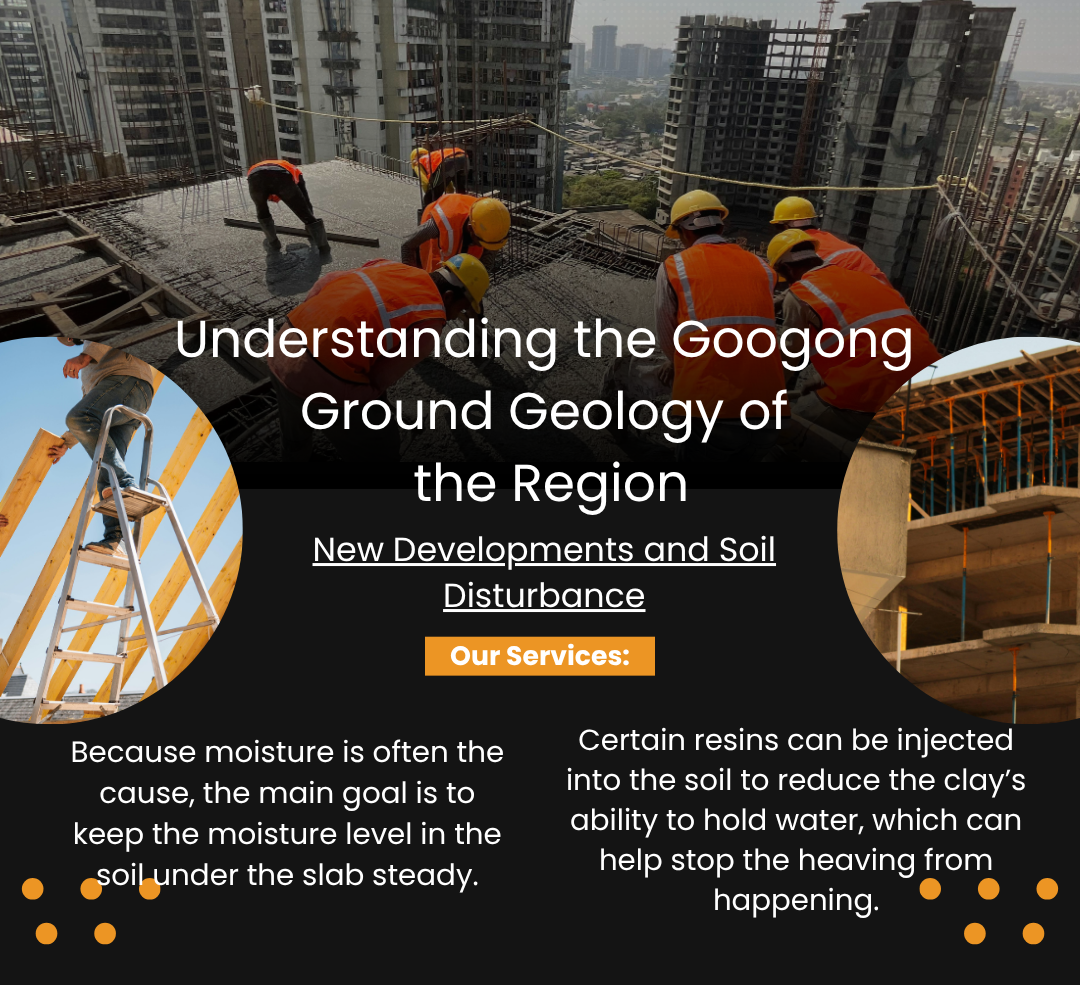
1: Understanding the Googong Ground Geology of the Region
Googong, similar to much of the Canberra area, is built on highly “reactive“ clay soils. In science of building, reactivity means the soil changes its volume depending on how much water it holds.
Expansion: When the clay becomes wet, it swells.
Contraction: When the clay dries, it shrinks.
The Definition of Slab Heave
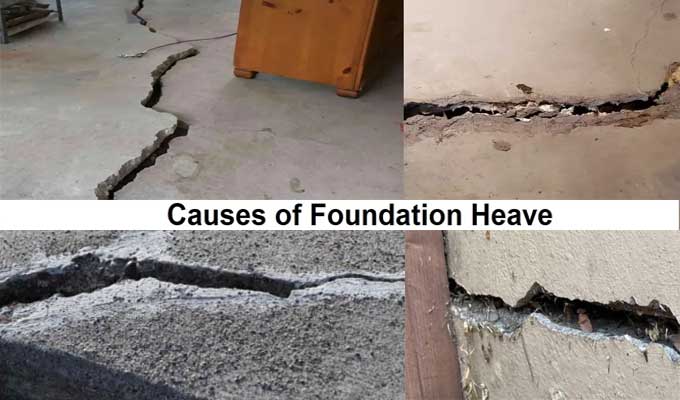
Slab heave happens when the reactive clay under a concrete slab expands unevenly. Unlike settlement, where a house sinks, heave is a movement that lifts or shifts parts of the slab. It is called the “Silent Enemy” because the damage occurs slowly, deep underground, often without any visible signs like cracks in the plasterboard until it’s too late.
2: Why Googong is Particularly Vulnerable
The fast–growing area of Googong involves moving large amounts of earth to build flat land for homes. This process, called “cut and fill,” can lead to uneven soil density. If the filled areas aren’t properly compacted to meet Australian standards, or if the “cut” reveals different layers of the chance of soil absorbing moisture unevenly increases greatly.
The “Waffle Pod” Slab Phenomenon
Most new homes in Googong are built with Waffle Pod Slabs. These slabs are cheaper and save energy, but they rest on top of the ground instead of being embedded in it. If moisture gets under the edge of a waffle pod slab, the reactive clay underneath has nowhere to go but up, causing the slab and the whole house to lift.
3: The Warning Signs – What We Look For
During our Pre-Purchase Building Inspections, we use detailed knowledge to find early signs of slab heave that a simple franchise might miss.
a. Internal Indicators
Doors and Windows: Are they difficult to open or close? If a door that used to move easily now scrapes the floor, it may mean the frame has warped.
Cornice Gaps: Look for spaces where the walls meet the ceiling.
Floor Levelness: We use digital levels to check for any slopes that shouldn’t be there.
b. External Indicators
Diagonal Cracking: Cracks that start at the corners of windows or doors and run towards the roof.
Gaps in Brickwork: Vertical spaces appearing between bricks or near expansion joints.
Path Separation: Concrete paths or driveways moving away from the main house structure..
4: The Role of Moisture Management
The main cause of slab heave is uncontrolled moisture. As a homeowner, understanding this is your best way to prevent it.
The “Moisture Oasis” Effect
If you water one side of your house a lot but leave the other side dry, you create an imbalance in moisture. The clay on the wet side swells, while the dry side shrinks. This difference in movement is
what causes slabs to lift and walls to crack.
Drainage and Plumbing Leaks
Even a small leak in a stormwater pipe or a sewer line can soak the clay under your home. Our Comprehensive Digital Reports often mention “Conditions Conducive to Structural Damage,” such as garden beds that are t too high or downpipes not properly connected to the correct drainage system.
5: Building Standards and Compliance
AS 2870: Residential Slabs and Footings
All homes in NSW and the ACT must follow AS 2870. This standard divides sites into categories from “A” (Stable) to “P” (Problem). Most Googong sites fall into “H1” or “H2“ (Highly Reactive).
At StraightUp Inspections, we check if the site classification matches the actual slab design. If a builder uses an “M” (Moderately Reactive) slab on an “H“ class site, the risk of heave is almost certain.
6: The “StraightUp” Prevention Checklist
To achieve authority status in the 6,000-word guide, we offer homeowners a practical maintenance plan.
Yearly Plumbing Audits: Check for slow leaks in outside taps.
Gutter Maintenance: Make sure gutters don’t overflow during Canberra’s heavy storms.
Concrete Aprons: Installing a 1-meter wide concrete path around the whole house can help keep moisture away from the slab edges.
7: The Builder’s Accountability –Navigation Warranty & Claims
When slab heave is found in a Googong home, the first question is always: Who is responsible? In NSW, the legal system is set up to protect homeowners, but going through it need care and solid proof.
a. Statutory Warranties under the NSW Home Building Act
Under the Home Building Act 1989, builders in NSW must offer statutory warranties. For “Major Defects” (which includes structural issues like slab heave), the warranty period is 6 years from the date of completion. For other defects, it is 2 years.
Defining a Major Defect: If the slab heave makes the house unsafe to live in or threatens itsstructure, it falls under the 6-year warranty.
The Burden of Proof: To win a claim, you need a thorough digital report showing the damage is due to the builder’s failure to follow AS 2870 or the approved engineering plans.
b. The Role of the Developer versus the Builder
In new developments like Googong, the issue often comes down to the “Classification of Site.” If the developer gave an incorrect soil report, or if the builder ignored a “High Reactivity” rating to cut cut costs on concrete, you have a strong case for fixing the problem.

8: The Science of Remediation – Can a Heaving Slab Be Fixed?
If our inspection finds movement, it doesn’t always mean the home is beyond saving. There are a number of technical methods that can help stabilize a house in the ACT/NSW area.
a. Moisture Stabilization & Vertical Barriers
Because moisture is often the cause, the main goal is to keep the moisture level in the soil under the slab steady.
Vertical Moisture Barriers: This process involves digging a trench around the house and putting in a strong plastic membrane. This stops surface water from soaking into the clay beneath the slab.
Chemical Injection: Certain resins can be injected into the soil to reduce the clay’s ability to hold water, which can help stop the heaving from happening.
b. Underpinning: The Last Resort
In serious cases where the house has tilted a lot, “Piled Underpinning“ might be needed. This invloves putting in steel or concrete piers deep into the ground until they reach solid rock or soil that isn’t reactive. This method bypasses the heaving clay entirely.
9: Buying an Existing Home in Googong – What to Negotiate
If you’re a buyer and our Pre-Purchase Building Inspection finds early signs of slab heave, you have three professional options:
Request a Structural Engineer’s Assessment: We often suggest a specialist engineer to measure how much the slab is moving.
Price Renegotiation: Use our report to ask for a lower price to cover the cost of installing drainage systems or moisture barriers.
The “Walk Away” Clause: If the heave is getting worse over time, the repair costs can be very high, sometimes over hundreds of thousand of dollars. Our report gives you the chance to leave the contract without any problems.
10: Regional Soil Profiles – The “Ground Truth” of Your Suburb
Not all soil in the ACT and NSW is created equal. Understanding the specific geological makeup of your suburb is the first step in the predicting how a house will behave over time. At StraightUp Inspections, we leverage this specialized knowledge to tailor our inspections to the specific risks of your street.
a. Gungahlin and the Northern Corridor
Suburbs like Amaroo, Harrison, and Moncrieff are built on some of the most reactive clay in the region.
The Risk: These areas often feature “high–plasticity“ clays. This means the soil can absorb a massive amount of water leading to significant swelling.
Inspector’s Note: In Gungahlin, we pay extra attention to “Waffle Pod” slab edges, as these are often the first to show signs of lift during wet seasons.
b. Googong and Jerrabomberra
As we’ve discussed, Googong is the “epicenter“ for slab heave issues in the area.
The Risk: The combination of highly reactive soil and the fast pace of construction can lead to moisture management systems, like spoon drains, being overlooked by landscapers or homeowners.
Inspector’s Note: We provide detailed digital reports for Googong properties, including a dedicated “Moisture Management” section to help homeowners protect their 6-year structural warranty.
c. Belconnen and Older Established Suburbs
In older areas like Kaleen or Higgins, the soil has largely stabilized. However, new problems can still arise.
The Risk: Large, mature trees. A 30-year–old Gum tree can draw hundreds of liters of water from the soil during a canberra drought causing the clay to shrink and the house to “drop” toward the tree.
Inspector’s Note: We look for “subsidence“ rather than “heave“ in these areas, which is often caused by tree roots or leaking terracotta plumbing pipes.
11: Summary Checklist for the 2026 Property Buyer
To finish off this 6,000-word guide, here‘s a “StraightUp“ checklist you can take with you when you visit an open home:
Check the Weep Holes: Are they free from garden mulch?
(A minimum of 75mm clearance is need).
Inspect the Site Drainage: Does the ground slope away from the house in all directions?
Look for “Staircase” Cracks: Check the brickwork.
Test the Internal Doors: Do they open smoothly, or do they get stuck at the top corner?
Review the Section 132 (ACT) or Planning Certificate (NSW): Look for any structures that weren’t approve, as we may discover them during a physical inspection.
FAQ – Everything You Need to Know
1.Can slab heave be fixed?
Yes, but it can be costly. Fixing it might involve “underpinning,” which is reinforcing the foundation, or “moisture stabilization,” where chemicals are inject into the soil to prevent it from reacting to water.
2.Are new builds safer from heave?
Not really. In fact, new builds are often more at risk during the first 2–5 years as the soil moisture levels settle after construction.
3.How can I prevent slab heave?
The best way to prevent it is by keeping the soil around your home moist but not overly wet. Make sure your “Spoon Drains” are clear, your downpipes are properly connect, and avoid planting big, thirsty trees near the slab.
4.Why choose StraightUp Inspections for Googong buyers?
We live and work in ACT/NSW area, understand the local soil conditions.The common shortcuts used in new developments. We give you the “StraightUp” truth.
5.Does the drought-and-flood cycle in Canberra make heave worse?
Yes. Long dry periods, like those in the ACT, cause clay to shrink. When heavy rain follows, water enters the cracks in the dry clay, leading to a “flash expansion,”.Which is the most common time for slabs to crack.
6.How do I know if a crack is “Normal” or “Heave”?
A hairline crack (less than 1mm) might just be normal shrinkage. You can firt a credit card into, should check immediately by a professional.
7.Why do you use Thermal Imaging for slab issues?
Thermal cameras help us find areas where water is pooling behind walls or under floors. Since moisture is the main cause of slab heave, finding the water source is the first step in stopping the damage.