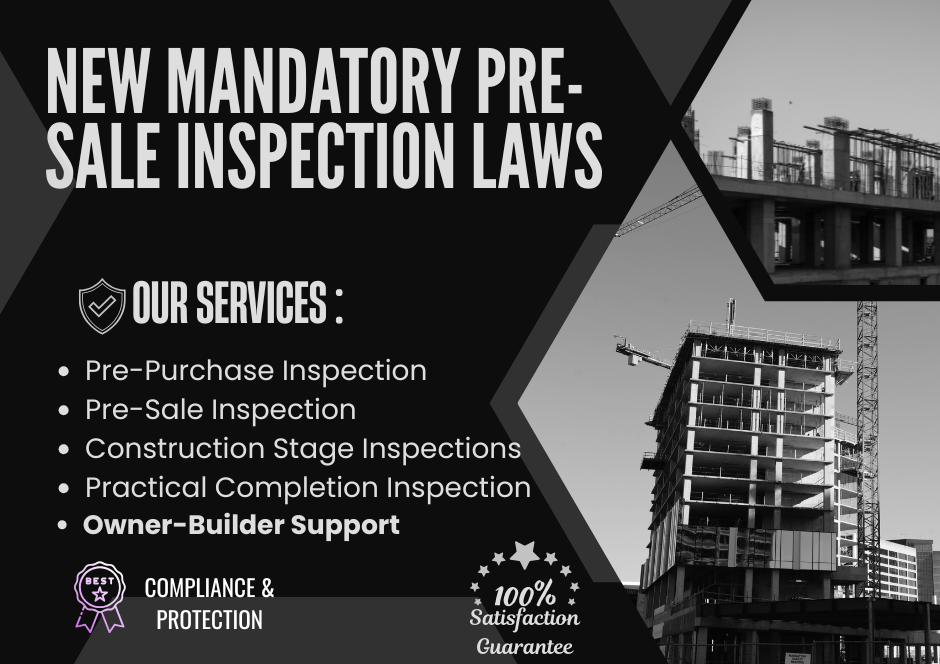
New Mandatory Pre-Sale Inspection Laws
New mandatory pre-sale inspection laws have been introduced in several states, altering who covers the cost of due diligence and how inspection reports are shared. These changes aim to help first-time home buyers by making the process fairer and ensuring. All property sales include clear information about the building’s condition.
These new rules promote fairness in the market by requiring sellers to provide essential structural details before a property is sold. This ensures that all potential buyers have the same level of information before making a decision.
1: The 2026 Shift: Why Mandatory Laws Were Introduced
Before the New Mandatory Pre-Sale Inspection Laws came into effect, the Australian property market faced a major problem called “blind bidding.”
>Buyers often had to decide between spending $500 on an inspection for a house they might not even end up buying or taking a big financial risk by skipping the inspection altogether. Recent data showed that around 17% of buyers were “buying blind” because of the cost and hassle involved. This led to serious issues after the sale, such as discovering termite damage or structural problems.
The 2026 reforms aimed to create a more standardized process, similar to how a car needs a roadworthy certificate.
By requiring vendors to provide an inspection report beforehand, the government aimed to reduce the “due diligence tax“ on buyers. These new laws also help ease the mental stress on house hunters, who used to suffer from “inspection fatigue“ after paying for multiple reports without a successful purchase. Now, transparency is built into the listing process, ensuring a fairer and more straightforward experience for everyone involved.
2: Victoria’s Landmark Vendor-Paid Scheme
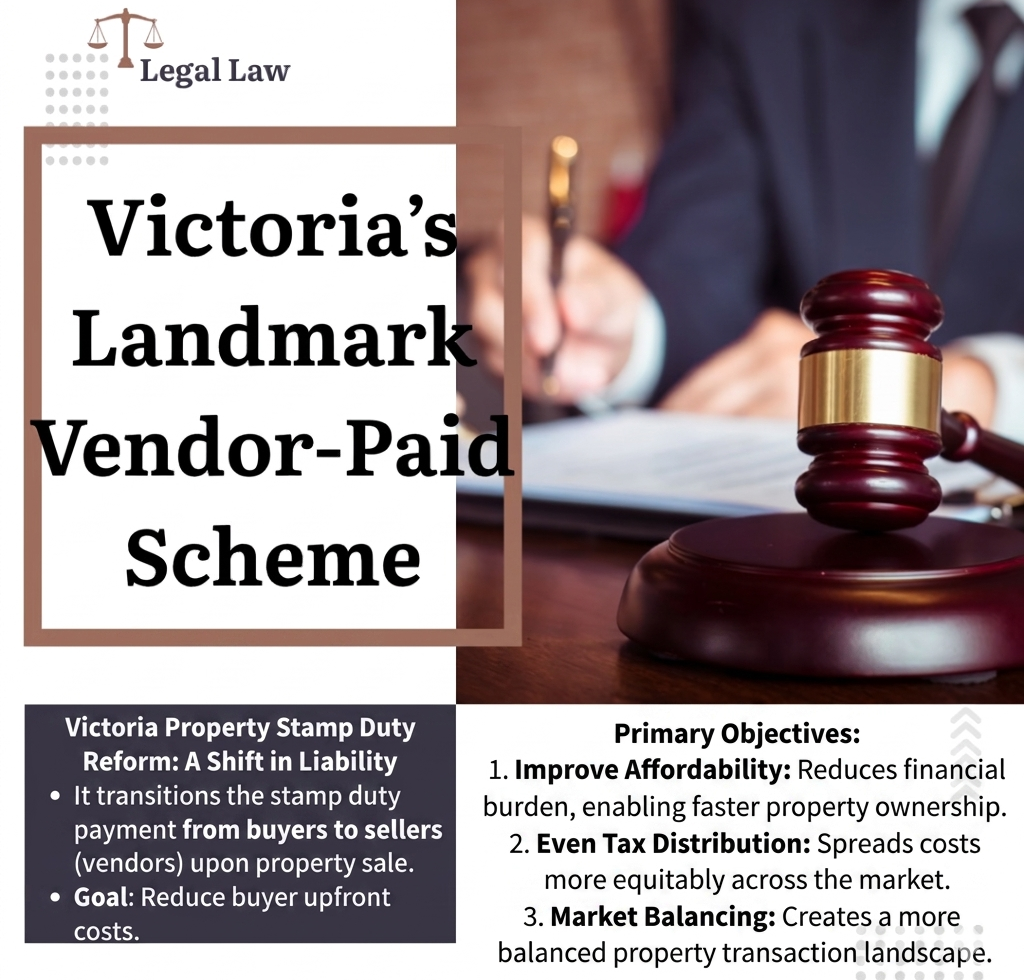
In 2026, the Victorian Government made significant progress with legislation that requires vendors to organize and pay for building and pest inspections, making the reports available to all potential buyers.
This is a key part of the New Mandatory Pre-Sale Inspection Laws across the country. Under this scheme, the vendor arranges a licensed inspector to conduct a detailed check, and the resulting report is made available to all bidders. This ensures that the biggest purchase of a lifetime is more affordable and less time-consuming.
While the vendor covers the initial cost of these inspections, typically ranging from $500 to $850, there are often provisions that allow the vendor to recover this cost from the successful purchaser after the contract is signed.
>This ensures the seller doesn’t end up out of pocket while still protecting the buyer’s right to immediate information during high–pressure auction environments.
3: Queensland’s New Seller Disclosure Act
Queensland has also updated its property laws through the Property Law Act 2023, which introduced a statutory Seller Disclosure Scheme effective from late 2025 and into 2026.
>The New Mandatory Pre-Sale Inspection Laws in Queensland now require sellers to provide a detailed Disclosure Statement before now require sellers to provide a detailed Disclosure Statement before the buyers signs a contract. This statement must include key information about buildings and structures, essentially forcing a pre-listing check to avoid legal issues.
In the Queensland market, these New Mandatory Pre-Sale Inspection Laws have shifted the “subject to building and pest” clause from being the primary defense to a secondary one.
>Sellers are now more willing to pay for their own reports, estimated to cost between $450 and $750, to ensure their disclosure statements are accurate. If a statement is wrong or missing, buyers have the legal right to cancel the contract, making professional accuracy a must for QLD vendors in 2026.
4: Estimated Costs and Who Pays in 2026
The new mandatory pre–sale inspection laws have changed how property checks are paid for across the country.
In states like Victoria and the ACT, the seller usually pays the initial fee. However, in places like New South Wales, It’s becoming common for vendors to provide reports even before the law is officially in place.
- Standard combined reports typically cost between $550 and $900.
- Apartment or unit disclosures are usually cheaper because they cover smaller areas, and they usually cost between $300 and $500.
- For high–risk or heritage homes, the cost of compliance with the new pre-sale inspection laws can go up to $900 to $1,200.
- No matter who pays, all reports must be done by a licensed and insured professional to be legal under the new laws.
5: The Persistence of Private Independent Checks
A common question about the new pre–sale inspection laws is: “If the seller provides a report, do I still need my own?”
The answer for smart buyers is definitely yes. While the seller’s report gives a general idea, a private inspector works solely for you. Private inspectors have no connection to the selling agent or the homeowner, which helps avoid any hidden bias in the report.
Private inspections are also better for families and first–time buyers.
They allow for a more personal walk through where the inspector can explain technical terms in simple language. This efficient process is especially useful for buyers who need to move quickly but want to be sure they know exactly what they’re buying. Even with the new laws,nothing eats the confidence that comes from having a professional who is fully committed to your interests.
6: Technology and Compliance in 2026
To follow the new pre-sale inspection rules: Reports now need to meet higher digital and technical standards.
>In 2026, the National Construction Code (NCC 2025) has introduced stricter rules for waterproofing and managing condensation, which inspectors must check.
Modern reports must include:
- Thermal imaging scans to find hidden moisture or active termite damage behind walls.
- Drone footage for a full roof inspection on multi–story buildings.
- Moisture meter data for accurate readings on dampness in foundations.
- These technological upgrades make the new laws more about improving safety, not just going through the motions.
7: Negotiating Under the New Framework
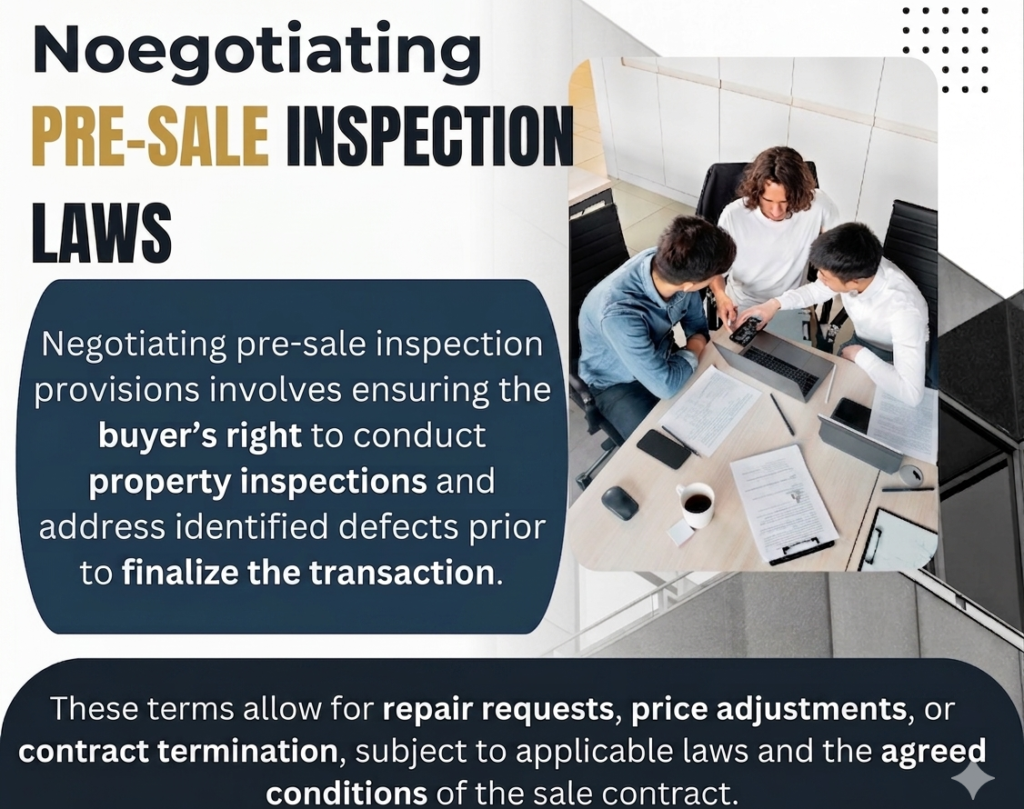
The new pre–sale inspection laws have given buyers more power during negotiations.
>Since structural information is available earlier, buyers can include repair costs in their first offers instead of waiting for a cooling-off period. If a seller’s report shows urgent repairs costing $10,000 to $20,000, the seller can’t claim they didn’t know about the issues.
This openness has led to more realistic pricing in the 2026 market.
Buyers are using these laws to ask for price cuts or “rectification clauses” before signing contracts. Having a professional, branded report from a firm like Straight Up. Inspections gives you the solid evidence you need to stand by your offer. It avoid paying too much for a property with hidden problems.
8: Future–Proofing Assets: Long–Term Benefits of Mandatory Disclosure
The introduction of New Mandatory Pre-Sale Inspection Laws isn’t just about the immediate transaction. It’s about the long–term health of the Australian housing stock.
>By forcing structural transparency at the point of sale, the 2026 reforms encourage homeowners to maintain their properties more diligently throughout their ownership. Knowing that a professional report is a legal requirement for a future sale.This motivates owns to address minor leaks and termite prevention before they escalate into “deal–breaking“ defects.
From a macroeconomic perspective, these laws help stabilize the insurance market.
When property data is accurate and transparent, insurance premiums can be calculated with greater precision. For the individual homeowner, the New Mandatory Pre-Sale Inspection Laws essentially create a “service history“ for the houe. This historical data adds tangible value to the asset.This proving to future buyers that the home has been professionally monitored and maintained. This ultimately increasing its market desirability.
Mandatory Inspection Areas Checklist
With the new rules, certain areas must be carefully checked during an inspection:
Structural Integrity:Checking how strong and stable the foundation, walls that support the building‘s weight, and the roof structure are.
>Pest Activity: Looking for signs of termite damage and any hidden mud tunnels that pests might be using.
>Moisture & Dampness: Testing the amount of moisture in walls and floors to avoid possible dangers to the building‘s structure.
>Safety Hazards: Making sure railings, stairs, and balconies are safe to use and meet safety standards.
>Roofing & Gutters: Checking the roof tiles for damage and ensuring the gutters and drainage systems are in good condition and clean.
Subfloor & Cavities: Carefully inspecting areas beneath the floor and inside walls to find any issues.
9: Technical Compliance: Minimum Standards for 2026 Reports
Under the New Mandatory Pre-Sale Inspection Laws, not just any “builder‘s check“ will suffice.
The 2026 legislation has introduced strict minimum technical standards to ensure that vendor–paid reports are as rigorous as buyer–commissioned ones. Minimum compliance now requires a specialized focus on three key areas:
Structural Load Integrity: A detailed assessment of foundations and load-bearing walls, often requiring high–precision laser leveling tools.
Timber Pest Zones: Mandatory mapping of “high–risk” zones within 50 meters of the property, identifying potential termite nests in neighboring structures.
Safe–Access Verification: Inspectors must provide photographic evidence of their entry into high–risk zones, such as the roof void and tight crawl spaces.
>Failure to include these technical benchmarks can render a report invalid under the New Mandatory Pre-Sale Inspection Laws, making professional, high–tech inspection firms more valuable than ever.
10: The Seller’s Strategic Edge: Controlling the Narrative
While many vendors initially saw the New Mandatory Pre-Sale Inspection Laws as an extra cost. Smart sellers are now using them as a strong marketing tool.
>By offering a clean, professional report upfront, a seller can prevent potential buyers from getting discouraged before they even start looking. Instead of waiting for a buyer inspector to find problems during the cooling-off period. The seller can fix any small repairs before the first open home.
Getting a high–quality report from a trusted authority like Straight Up Inspections also builds trust right away. Competitive 2026 market, buyers are naturally attracted to listings that show full transparency. This proactive approach often leads to more people attending auctions and more competitive bids. The New Mandatory Pre-Sale Inspection Laws are use properly. The initial investment in a report can often pay off five to ten times in the final sale price.
11: Final Summary: Adapting to the New Reality
The New Mandatory Pre-Sale Inspection Laws are a positive change for the Australian property market.
By focusing on transparency, affordability, and consumer protection, these laws have made home ownership a bit safer for millions. Whether you’re a seller in Melbourne dealing with the new mandatory scheme or a buyer in Brisbane. You will reviewing a disclosure statement, staying informed is your best defense.
As we go through 2026, the New Mandatory Pre-Sale Inspection Laws will keep shaping how we buy and sell homes.
The key to success remains the same: always use professional, licensed, and high-tech inspectors to guide your journey. In a market where millions are on the line, the cost of a quality inspection is the smallest price. You’ll ever pay for complete peace of mind.
FAQ – Everything You Need to Know
1.Does the New Mandatory Pre-Sale Inspection Law apply to every property?
>>>>>>>>>>Mostly homes, townhouses, and units are residential.However, some exceptions apply to new builds still under a builder’s warranty and certain rural properties. It’s always best to check the specific laws in your state.
2.Can I sue the inspector if they missed something in a vendor–paid report?
Yes. Under the 2026 reforms, the inspector’s duty of care now includes the eventual buyer. No matter who paid for the report. That’s why the New Mandatory Pre-Sale Inspection Laws require all inspectors to have valid Professional Indemnity Insurance.
Our inspections are perform by licensed structural engineers and certify pest technicians to ensure 100% compliance with Australian standards.