Whether you’re looking for a mid-century character home in O’Connor, a spacious family home in Gungahlin, or a modern townhouse in Tuggeranong. The Canberra real estate market has its own set of challenges when it comes to structure, environment, and regulations.
Unlike other parts of Australia, the ACT has its own legal system for property sales.
The Civil Law (Sale of Residential Property) Act 2003 requires the seller to provide a marketing package that includes a building and pest inspection report. However, depending only on the seller’s generic report is one of the riskiest things a buyer can do. To really protect your investment, getting an independent, detailed pre-purchase building inspection in Canberra is essential.
This guide covers everything you need to know about buying property in the ACT safely, understanding your rights, spotting hidden problems, and why StraightUp Inspections is the trusted choice for independent property inspections across the ACT.
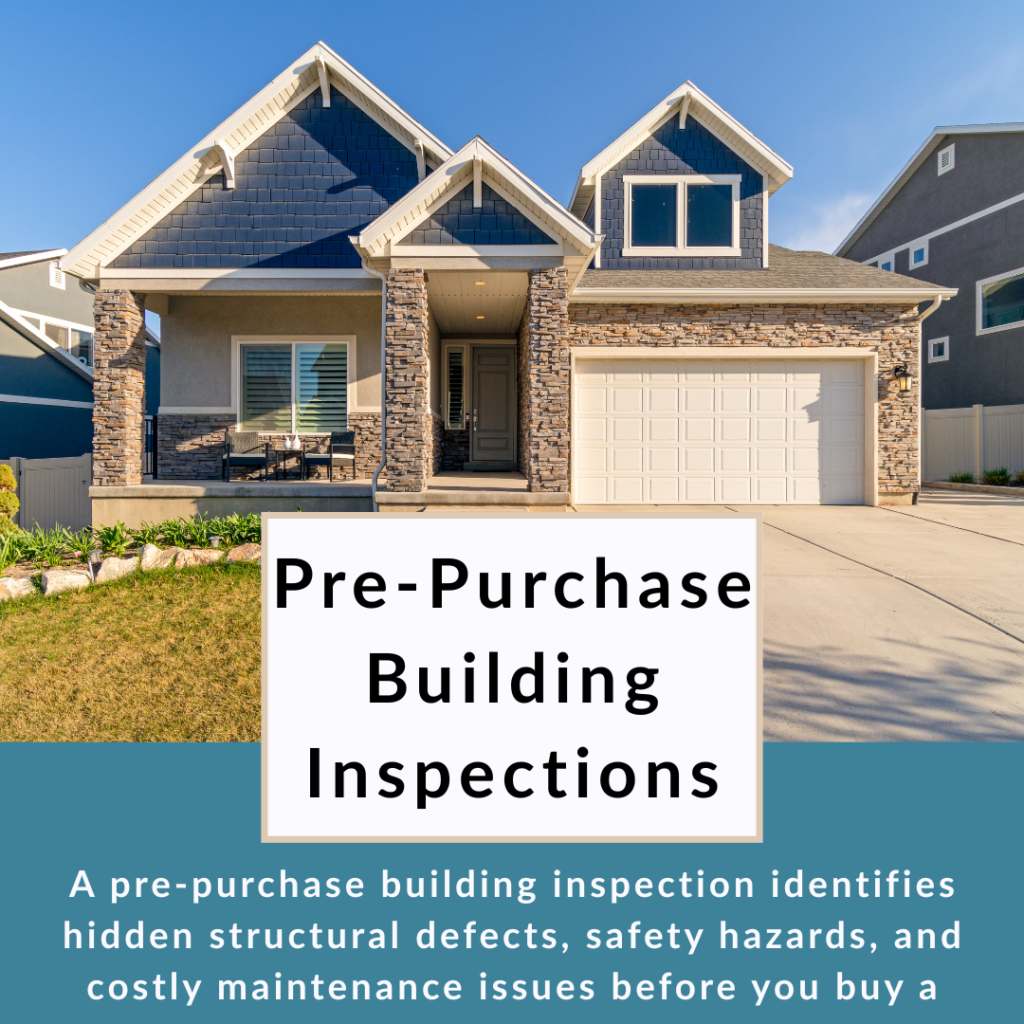
1. The Canberra Real Estate Scene
The Canberra property market is influenced by its unique building styles, extreme temperature changes throughout the year, and strict local compliance rules.Knowing about these bigger picture factors is important before looking at specific properties.
The Issue with “Seller-Provided” Reports
In the ACT, by law, the seller must arrange and pay for a building and pest inspection report before putting their property on the market.This report is given to all potential buyers, and the person who buys the property pays the seller back for the cost at the time of settlement.While this system is meant to speed up the sales process, it creates a major conflict of interest.
The Softened Report Narrative: Inspectors who do a lot of inspections and often work with real estate agents might not be as direct in their reports.They could describe a serious structural problem as just a small maintenance issue that needs to be watched.
Lack of Responsibility: If a big structural problem is missed in a seller-provided report, it might be hard to take legal action as a buyer.There are often legal issues that make it difficult to hold anyone accountable.
The Right Solution: An independent report from StraightUp Inspections ensures full transparency.We don’t work for real estate agents; we work only for you.
Weather and Environmental Challenges for Canberra Homes
Canberra has some of the most extreme weather in Australia—with freezing winter nights and summer days that can go above 40°C.
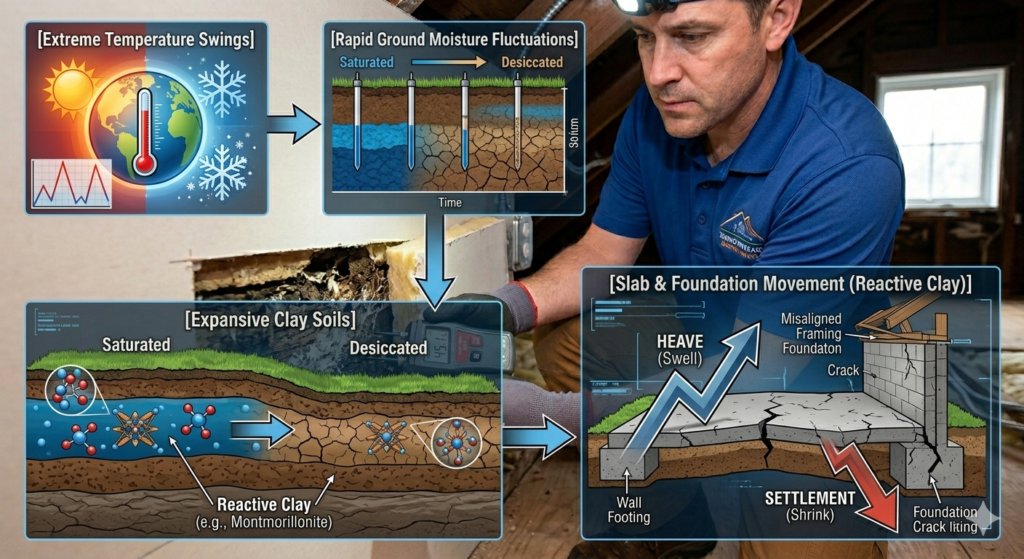
Thermal expansion and contraction put a lot of stress on building materials. Brickwork can crack, roof structures may warp, and foundations can shift as the underlying reactive clay soils shrink and swell. A local inspector needs to have a good understanding of the area. To tell the difference between small, cosmetic settling and serious structural issues caused by Canberra’s climate.
2. Structural Red Flags Common to Canberra Properties
When looking at a property, problems can be hidden under fresh paint or nicely arranged furniture.
During a thorough inspection, professional inspectors check for specific, high-risk structural issues.
Foundation and Subfloor Failures
The foundation is the base of the home.If the foundation fails, it can cost tens of thousands of dollars to fix through underpinning or structural leveling.
Reactive Clay Soil Subsidence: Much of Canberra, especially parts of Belconnen and the Inner South, has highly reactive clay soils.When these soils dry out during dry periods, they shrink, causing the house’s footings to sink. On the other hand, heavy rains make the soil swell, lifting parts of the building (heaving).
Defective Subfloor Ventilation: Older homes with raised timber floors need good airflow under the floor to remove ground moisture.Poor ventilation creates damp, humid areas under the house. This speeds up timber decay (fungal damage) and creates ideal conditions for subterranean termites.
Stump and Pier Degradation: Damaged concrete piers, rusted steel posts, or rotten timber stumps can lead to sagging floors and shifting walls.
Roof Space Vulnerabilities and Framing Defects
A roof system does more than keep the rain out. It also helps maintain the structural balance of the whole building.
Truss and Rafter Sagging: When heavy concrete tiles are placed on a roof, if the framing is not properly supported or is too small, it can bend and sag over time. This uneven movement can place extra stress on the internal walls. That aren’t designed to carry heavy loads, causing cracks in the walls and doors that get stuck.
Non-Compliant Roof Ventilation: The space under the roof needs proper ventilation to let out hot and damp air. If there’s not enough venting at the top or along the edges, moisture builds up under the roofing layer. This moisture can then drip down onto the insulation and wooden parts of the roof, weakening the structure over time.
3. The Invisible Threat: Moisture, Mold, and ACT Condensation Laws
Some of the worst damage to a home isn’t visible at first. Moisture can work its way into the building in ways that aren’t obvious. Leading to serious structural problems and health it risks like mold that can be harmful.
The Evolution of ACT Condensation Laws
In recent years, building rules in Australia have changed to make homes more energy efficient.While this helps keep homes warmer during Canberra’s cold winters. It can trap moisture inside if the home isn’t ventilated properly.
New standards under the National Construction Code (NCC) and ACT Condensation Laws require strict ways to manage moisture in new homes.
These include: Using vapor-permeable membranes (sarking) in walls and roof areas. Setting minimum airflow levels for exhaust fans in wet areas like kitchens, bathrooms, and laundry rooms.Venting moist air directly outside instead of letting it go into the roof space.During a home inspection before buying, it’s important to check. Whether the property follows these modern ventilation rules or if older homes have been fixed in a dangerous way.
Advanced Detection: Forensic Thermal Imaging
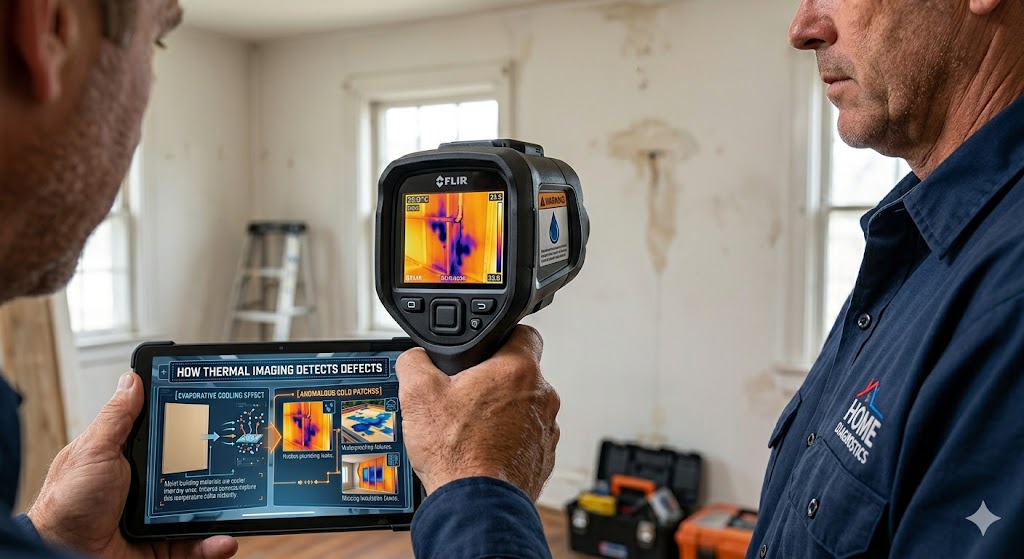
Standard visual checks often miss moisture that’s hidden inside walls, under floorboards, or beneath waterproofing.That’s why using advanced technology is important to tell apart a casual inspector from a professional.
StraightUp Inspections uses high-resolution thermal imaging cameras to look at how heat moves through a property and where moisture might be building up.This helps find issues that aren’t obvious to the naked eye.By catching these heat issues before you sign the contract. You avoid the stress of buying a house with a bathroom waterproofing problem that can cost over $15,000 to fix.
These termites live in large underground colonies and search deep into the ground to find ways into your home. They dig through soft soil and can get into buildings through tiny cracks in concrete slabs, spaces around pipes, or timber that’s touching the ground directly.Since they eat wood from the inside out, leaving a thin layer on the outside. The damage can be serious before you even notice any signs on walls or ceilings.
Timber Pest Inspection Standards
A high-quality pre-purchase timber pest check follows strict guidelines set by the Australian Standard AS 4349.3.
The inspection includes looking for:
Active Termite Infestations: Finding live termites in walls, under floors, in roof spaces, and in other buildings on the property.
Past Termite Damage: Checking how much timber has been damage by previous infestations. Whether any repair were done properly.
Signs of Old Treatments: Spotting chemical barriers, bait stations, or labels inside the electrical meter box.
Risk Factors: Highlighting things that make termites more likely to attack, like leaking garden taps, high soil levels blocking drainage holes, firewood stored against walls, and poor subfloor drainage.
5. What a Professional Pre-Purchase Inspection Report Should Include
A regular home appraisal or simple walk-through isn’t the same as a detailed building inspection.A full and professional pre-purchase report needs to be a clear, objective document built around AS 4349.1 standards.
The Inspection Process
A thorough inspector will check all accessible areas of the property, including
Classification of Defects
To help buyers and legal representatives understand clearly, defects are divide into different levels of seriousness:
Major Structural Defects: These are issues that affect the building’s main structure. And they need urgent engineering help or a big amount of money to fix.
Minor Defects or Maintenance Items: These are small problems that happen because of normal wear and tear, like tiny cracks in the walls, doors that don’t close properly, or worn-out weather stripping.These can usually be fix during regular maintenance.
Safety Hazards: These are serious risks to people’s safety, such as exposed wires, rotting parts of the roof structure, unstable railings, or fencing around swimming pools that doesn’t meet safety standards.
6. Understanding Legal Compliance and Specialized Certifications
In addition to the building being safe, a property in Canberra must follow many rules and laws.If these are not check, there could be heavy fines, forced demolition, or even the property might not be cover by insurance.
Section 137B Owner-Builder Reports
If you’re buy a house where the previous owner make significant changes, like renovations or structural work, within the past six and a half years, a Section 137B Owner-Builder Defect Report is require by law.
This report helps the buyer by:
Listing every problem, missing parts, and non-compliant work done by the previous owner.Helping you get mandatory Building Insurance, which covers you if the owner-builder dies, disappears, or can’t pay their debts within the warranty period.
StraightUp Inspections specializes in doing these detailed inspections. Making sure your purchase is legal and insured.
Energy Efficiency Ratings (EER) and Building Approvals
The ACT was the first place in Australia to make it mandatory to show Energy Efficiency Ratings (EER) when sell a home.A low EER rating often show there are hidden structural issues.Examples include missing insulation in walls, poor seal around windows, heating systems that aren’t insulate, or skylights that don’t have vents. These problems lower the EER score and make your energy bills higher.
Unapproved Structures
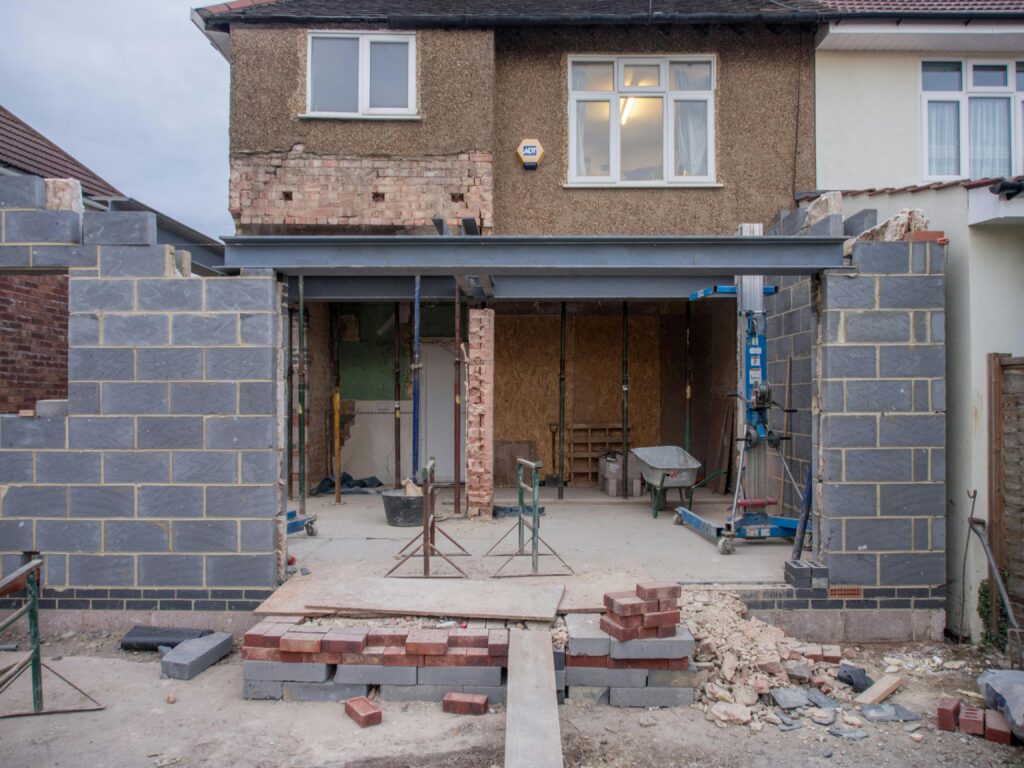
Canberra is known for large lots, so many people build structures like pergolas, decks, or extensions without proper approval.If an inspection finds these structures weren’t approved by the ACT Planning and Land Authority (ACTPLA), as the new owner. You’ll have to fix or remove them at your own cost.
7. The StraightUp Inspections Advantage: Why We Stand Out
In the high-stakes property market in Canberra, choosing the right inspector can make a big difference between a safe investment and a financial loss.StraightUp Inspections is the top independent building inspection company in the ACT.
1.Complete Independence
We don’t have close ties with real estate agencies.We stay professional and independent from sellers and agents, always putting your interests first. We give honest reports without any company-friendly language.
2.Advanced Technology
We don’t just use basic tools.Every inspection uses high-tech equipment like:
Infrared Thermal Imaging: To see through walls and find moisture, leaks, and insulation issues.
Electronic Moisture Meters: To check how wet the walls are without breaking anything.
High-Magnification Borescopes: To look inside walls safely when we suspect pests or framing problems.
3.Clear and Direct Reporting
We don’t use long, vague language to hide what’s wrong.Our reports are technical but easy to understand. We explain the problem, the reason it’s happening, its risks, and what you can do next.
4.Expert Knowledge of Local Rules
Our team knows all the latest regulations and local issues in Canberra.Whether it’s dealing with heavy clay soil in Tuggeranong or understanding the limits of heritage buildings in Braddon. We have the expertise no one else has.
8. How to Navigate the Pre-Purchase Inspection Process
Booking and managing a pre-purchase inspection doesn’t have to be complicate. Here’s how to make sure your property investment is secure and smooth.
1.Check Your Contract Clauses
Before Signing:
Make sure your lawyer adds a clause that says the sale is conditional on a satisfactory Building and Pest Inspection Report.
2.Book with StraightUp Inspections
Immediate Action:
Contact us as soon as you’re interest in a property.We’ll arrange access to the site quickly, without you having to handle the details.
3.The On-Site Inspection
2-3 Hours:
Our inspector will thoroughly check the whole property, including inside, outside, under the floor, in the roof space, and the land.They’ll use thermal imaging and other tools.
4.Review the Report
Within 24 Hours:
You’ll get a detailed digital report with photos, thermal images, defect classifications, and clear analysis.
5.Consultation and Negotiation
After the Report:
Speak with your inspector to understand the findings.Use the report to negotiate a lower price, ask the seller to fix problems before you move in, or decide to walk away if the property is unsafe.
The Gold Rule of Property Negotiation: A major structural defect report is the most powerful tool a buyer can hold. If a home need $20,000 in foundation underpinning or roof re-framing, that cost should be deduct directly from the final purchase price. It saving you from inherit immediate structure.
Conclusion:
In the fast-paced Canberra property market, a house that looks great on the outside might have serious and expensive problems hidden inside.Issues like shifting foundations because of soil that reacts badly, or hidden moisture problems that break the new ACT Condensation Laws.
Don’t put your money and future at risk by relying on a building report from the seller, which might not show the real issues.You need a fair, thorough, and up-to-date inspection done by someone who works for you, not anyone else.
Make sure your investment is safe, your mind is at ease, and you know exactly what you’re getting with your new home.Work with the trusted property experts in the ACT.
Call StraightUp Inspections today to book your independent pre-purchase building and pest inspection.
We find problems before they turn into big expenses for you.
Ready to secure your property asset? Select a next step:

How Access Canberra Regulations Affect Your Commercial Fit-Out
Planning a commercial fit-out in the Australian Capital Territory (ACT)...
Read More
As-Built Surveys Canberra | Verifying Unapproved Structures
The Australian Capital Territory (ACT) property market operates within one...
Read More
Commercial Building Inspections | Comprehensive Asset Audits
Acquiring, managing, or leasing commercial real estate in the Australian...
Read More